Security cameras, surveillance & smart home · Denver metro and the Front Range Find your city ↗ Call (720) 487-1226
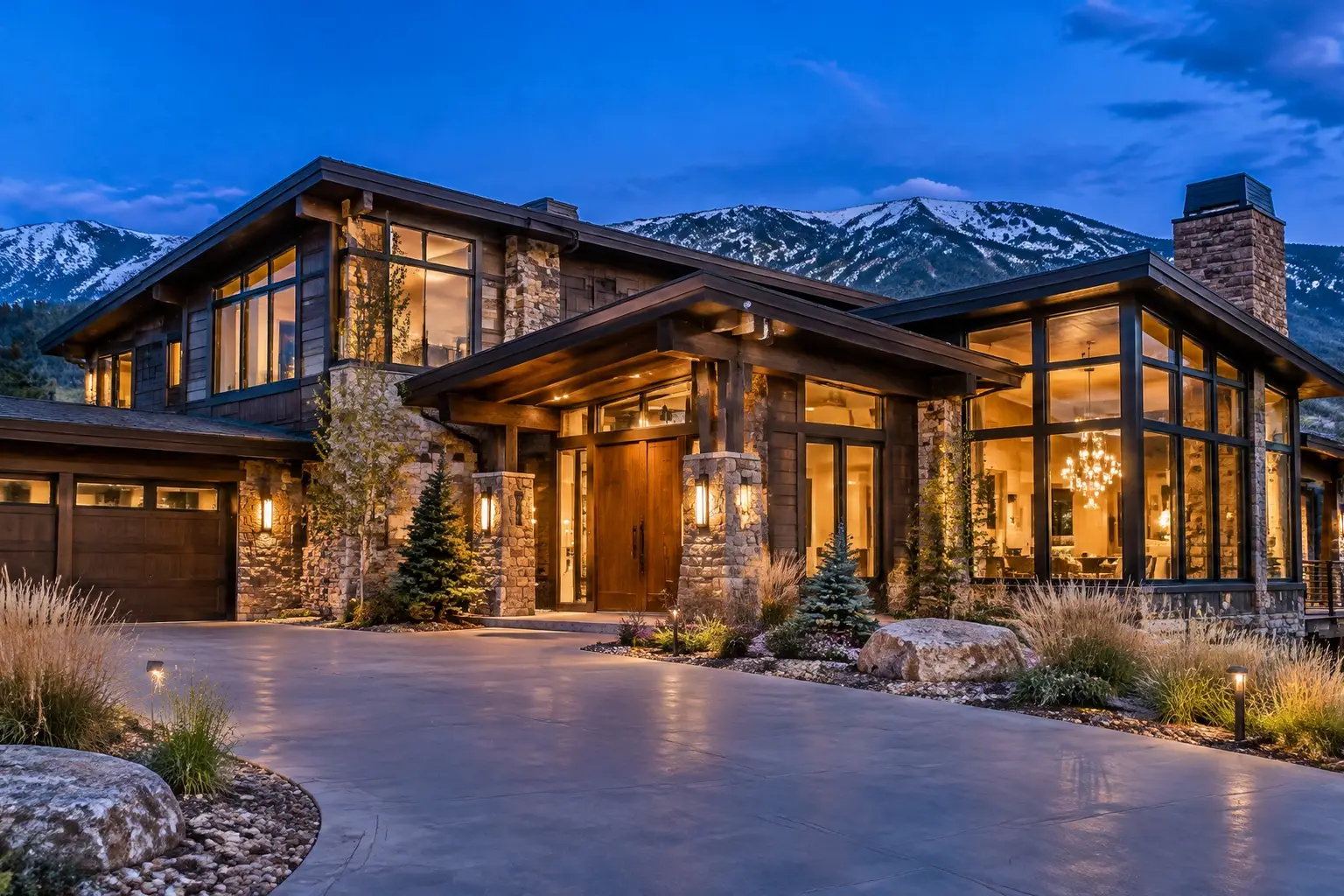
Large stone and timber Front Range home at dusk, warm lit windows, with an exterior security camera above the entry

DETECTION AND RESPONSE

Alarm Systems & Monitoring in Denver, CO

An alarm answers a question cameras cannot: something opened, broke or moved while nobody was home, right now. The useful part is not the siren; it is sensible sensor placement, zones that let a real household arm the system every day without nuisance trips, and a clear understanding of what happens next. In much of the Denver metro that last part also involves a local alarm permit and false-alarm rules, which sit with the property owner and should be sorted before the system goes live.

Planned on the propertyEntries and sightlines firstWritten scopeCabling, zones and retention agreed
Your property. Watched properly.Request form

Request a quote

A little about the property and what you want covered.

Your inquiry goes to our team. Sending a request does not schedule an installation; we will follow up about the property, the scope and availability.

§ 01 / The details

Start with a clear scope.

Use these items to frame the conversation. Final inclusions depend on the property, the existing wiring and the agreed plan.

  • Contact sensors on exterior doors and accessible windows, including basement openings
  • Glass-break detection in rooms with large or ground-level glazing
  • Motion detection placed away from sunlit glass, vents and pet paths
  • Smoke, carbon monoxide and water sensing integrated where wanted
  • Zones set for partial arming, pets, tenants and late arrivals
  • Keypad or panel placed at the door the household actually uses
  • Entry and exit delays set to real behaviour rather than defaults
  • Cellular backup and battery backup options explained and priced
  • Monitoring options compared, including contract and equipment ownership terms
  • Local alarm permit and false-alarm requirements identified for your jurisdiction
  • A written zone list, contact list and handover walkthrough

§ 02 / The system

Sensors where a camera cannot help

Start with the openings. Contact sensors on exterior doors and accessible windows, including basement windows and window wells, which are the positions no camera facing the street will ever cover. Glass-break detection in rooms with large or ground-level glazing. Motion detection in the interior spaces an intruder has to cross, placed so a pet does not set it off and so it is not pointed at a sunlit window or a heat source.

Then the hazards that are not people. Smoke and carbon monoxide detection integrated into the system means an alert reaches you when you are not home, which matters a great deal more than most homeowners assume. Water sensors in a basement, under a water heater, behind a laundry or near a sump are cheap, and in a Front Range basement they prevent the kind of damage a whole camera system will never see coming.

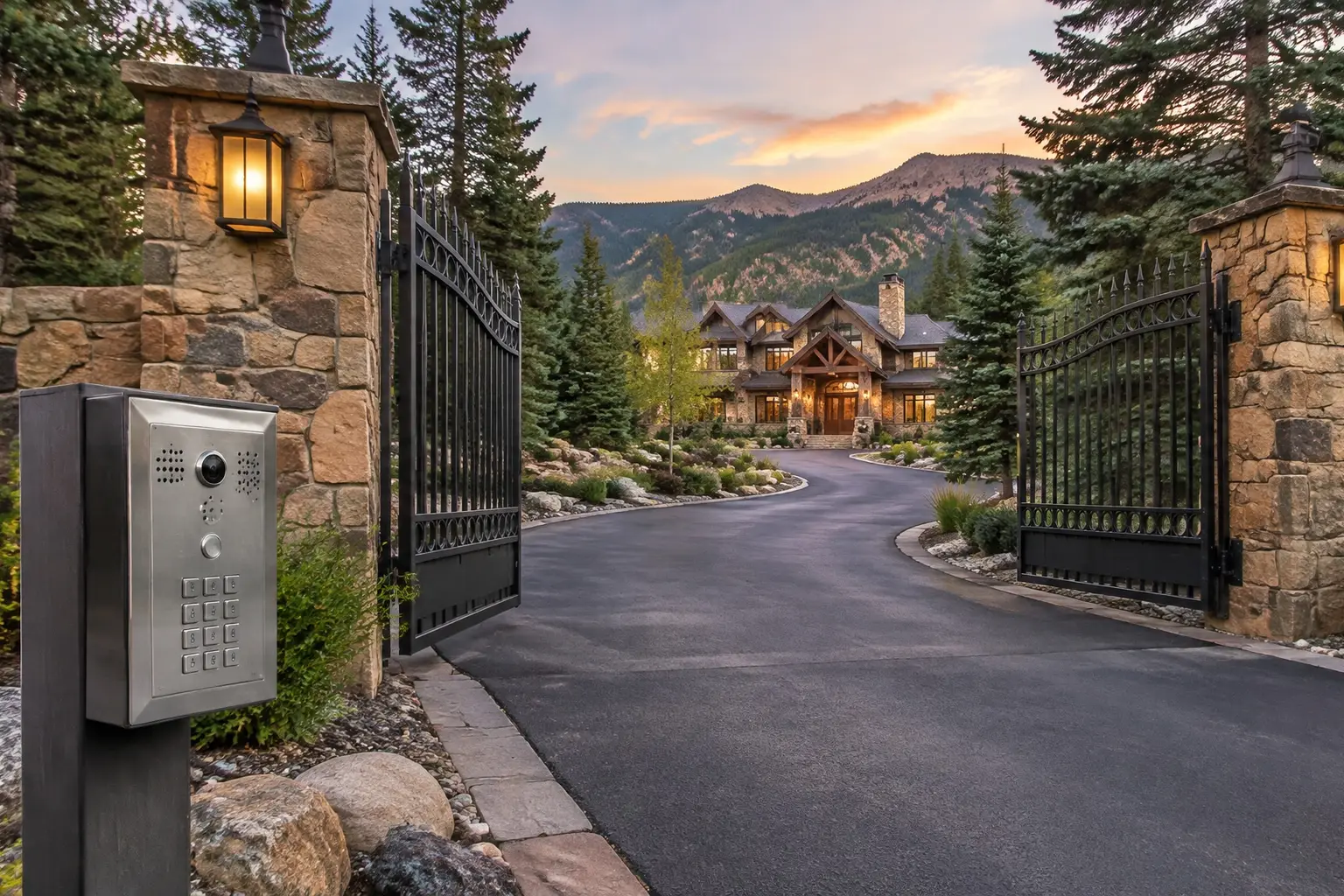
A gated private driveway entrance with stone pillars, an intercom keypad and a large home set back beyond the gates

§ 03 / The details

Zones, arming and a system people actually use

The alarm that gets used is the one that fits the household's actual routine. That usually means partial arming: perimeter armed while people are home and asleep, interior motion off; a pet-tolerant zone arrangement; a basement tenant or a home office able to come and go; a teenager getting home at eleven without waking the street.

The arming method matters as much. A keypad at the door the family actually uses, with a code everyone remembers, will be used. A system that only arms from one person's phone will not. Entry and exit delays need setting to real behaviour, not defaults, and the duress and panic options should be explained rather than left as unexplained buttons.

We set zones with you, write the zone list down, and expect to adjust the arrangement after a couple of weeks of living with it.
§ 04 / The system

Monitoring, self-monitoring and what actually happens

Professional monitoring puts a third party between your alarm and a response: they verify, they call you, and they request dispatch according to local procedure. Self-monitoring puts that job on whoever is holding a phone. Both are legitimate; choose based on whether someone will reliably act at three in the morning or while abroad.

Ask pointed questions before signing anything: what the monthly cost covers, the contract length, whether the equipment is locked to the provider, how verification works, what the local dispatch procedure and false-alarm fees are, and what happens to the system if you cancel. Cellular backup is worth having, because an alarm that only reports over your broadband is defeated by a cut or dropped connection. And no monitoring arrangement produces an instant arrival, so it belongs in a plan alongside doors, locks, lighting and cameras rather than instead of them.

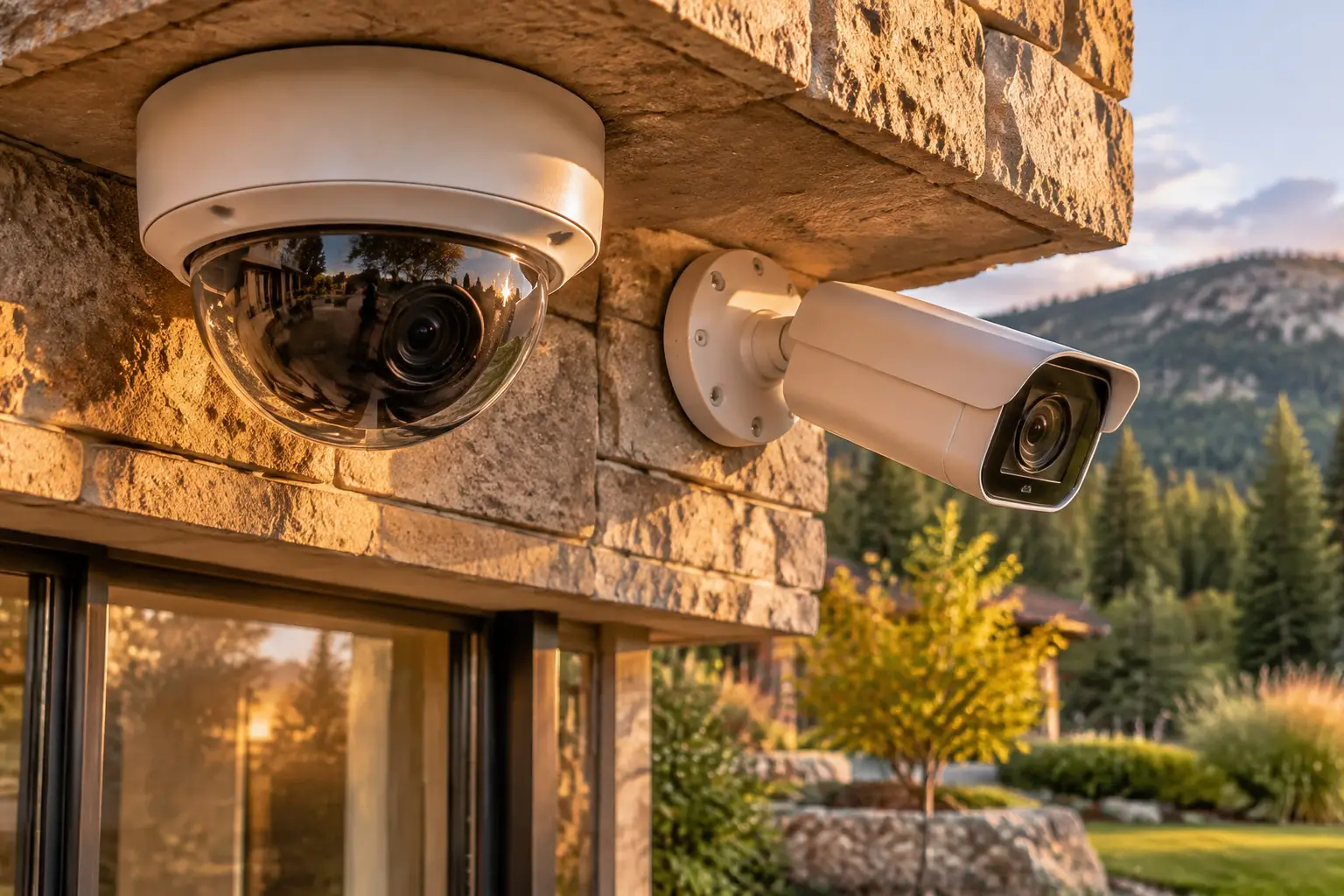
A dome camera and a bullet camera mounted under the stone eave of an upscale home, covering the same approach

§ 05 / The details

Permits, false alarms and local rules

This is the part most quotes skip. Several Front Range jurisdictions require an alarm permit or registration, with their own rules about verified response, repeat false alarms and the fees that follow them, and those rules differ between Denver, the surrounding cities and unincorporated county areas. The obligation normally rests with the property owner, so it needs doing even when an installer or monitoring company offers to help.

False alarms are mostly a design and training problem: motion sensors facing sunlit glass or a heat vent, a pet in an armed interior zone, delays set too short for how the family actually leaves, or a code nobody can recall under stress. We tune those out deliberately, and we would rather spend the extra visit than have you stop arming the system. Keep documentation of your zone list and permit where you can find it, and update the contact list when a household member or key holder changes.

§ 06 / Common questions

The questions
worth asking first.

Clear answers before anyone drills a hole. Start with what homeowners ask most.

More answers ↗

Do I need an alarm permit in the Denver area?

Often yes. Several jurisdictions across the metro require an alarm permit or registration and apply their own false-alarm provisions and fees, and the rules differ city by city and in unincorporated county areas. The obligation usually sits with the property owner, so confirm it with your own municipality before the system goes live.

Will the alarm work if the internet or power goes out?

With the right design. A battery in the panel keeps it running through a power cut for a limited period, and cellular backup keeps it reporting when broadband is down. Without those, a modern alarm reporting only over the internet is easy to silence. Ask which backups are included rather than assuming.

Can I keep a pet and still arm the interior?

Yes, with pet-tolerant sensor selection and placement, and by arranging zones so the spaces your pet uses can be excluded while the perimeter stays armed. This is a normal design requirement, and getting it wrong is the most common reason households quietly stop arming a system.

Is a monitoring contract required?

No. Many systems can be self-monitored, and some can be monitored without a long contract. What matters is reading what you sign: contract length, whether the hardware is locked to that provider, what happens on cancellation, and exactly what the monitoring centre does when a zone trips.

What happens when a sensor trips?

That depends on choices you make: local siren only, notification to your phone, notification to a monitoring centre, or a combination. We write the expected sequence into the handover, including who gets called and in what order, so there is no ambiguity during the first real event.

§ 07 / The details

Local installation. Metro-wide planning.

Choose your area for the local approaches, permit questions and covenant rules that come up there.

A good system starts with the walk around the house.

Tell us about
the property.
And the blind spots.

The entries, the driveway, what the existing wiring can carry and what the covenants allow. Those four details shape a system worth paying for.

  • Say which approaches you cannot see today.
  • Tell us about existing cabling, panels or a prior system.
  • Agree the scope, the zones and the retention before work starts.
Your property. Watched properly.Request form

Start with your property

A little about the property and what you want covered.

Your inquiry goes to our team. Sending a request does not schedule an installation; we will follow up about the property, the scope and availability.

Cameras where they matter. Nothing you cannot use.

Know what
happens at
your door.

Call (720) 487-1226
Colorado Home Security · DenverCall (720) 487-1226
Your property. Watched properly.Request form

Before you go: want a camera plan?

A little about the property and what you want covered.

Your inquiry goes to our team. Sending a request does not schedule an installation; we will follow up about the property, the scope and availability.