Security cameras, surveillance & smart home · Denver metro and the Front Range Find your city ↗ Call (720) 487-1226
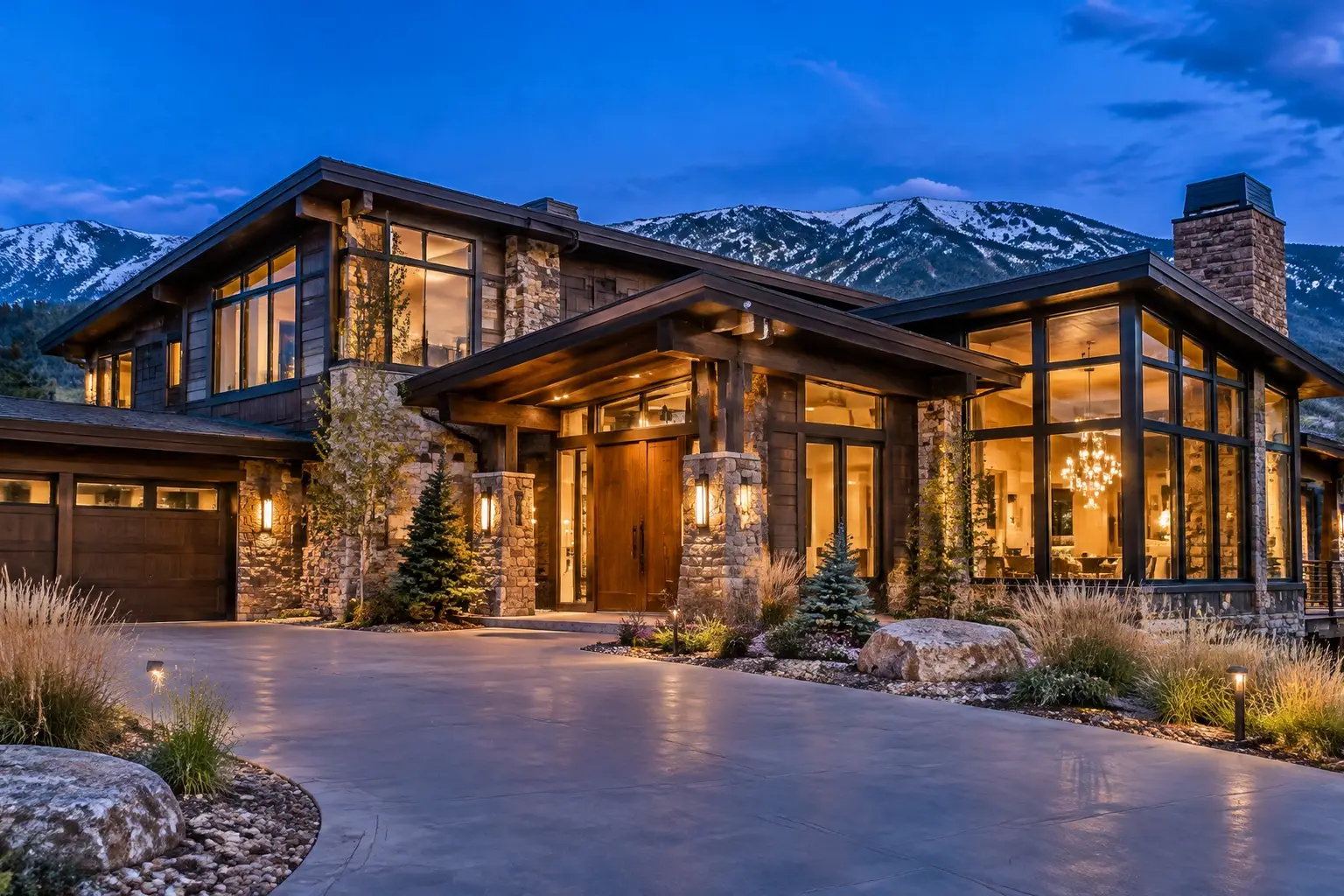
Large stone and timber Front Range home at dusk, warm lit windows, with an exterior security camera above the entry

Area guide / Colorado

Home Security Systems in West Metro

The west metro runs from the edge of Denver up into the foothills, and it changes character fast. Lakewood and Wheat Ridge are mature suburban streets with mid-century ranches on generous lots. Arvada mixes an old downtown with decades of subdivision. Golden sits against the hogback. Applewood is large-lot and heavily treed. Then Morrison, Ken Caryl, Genesee, Lookout Mountain and Evergreen move into foothills properties with long driveways, steep lots, wildlife and one way in. The eight city guides here cover each pattern.

Planned on the propertyEntries and sightlines firstWritten scopeCabling, zones and retention agreed
Your property. Watched properly.Request form

Request a quote

A little about the property and what you want covered.

Your inquiry goes to our team. Sending a request does not schedule an installation; we will follow up about the property, the scope and availability.

§ 01 / West Metro

From suburban grid to one-way-in foothills

Two different security problems share this area. On the plains side, in Lakewood, Wheat Ridge, Arvada and Applewood, the pattern is a wide lot, an attached or detached garage, a fenced back yard, mature trees and a street anyone can drive. Cameras cover the front, the driveway, the back slider and the gate, and the main complications are tree cover and large yards that invite false alerts.

In the foothills, approaches collapse to one: a single long driveway, often unlit, sometimes shared, frequently with a gate at the road and the house out of sight from it. That makes the driveway camera the most important device on the property and the network route to the gate the main engineering question. Deer, elk and smaller wildlife cross these properties constantly, so detection tuning is not optional if anyone is going to keep notifications switched on.

The guides for Evergreen, Genesee and Lookout Mountain, and Morrison and Ken Caryl go into these specifics in detail.
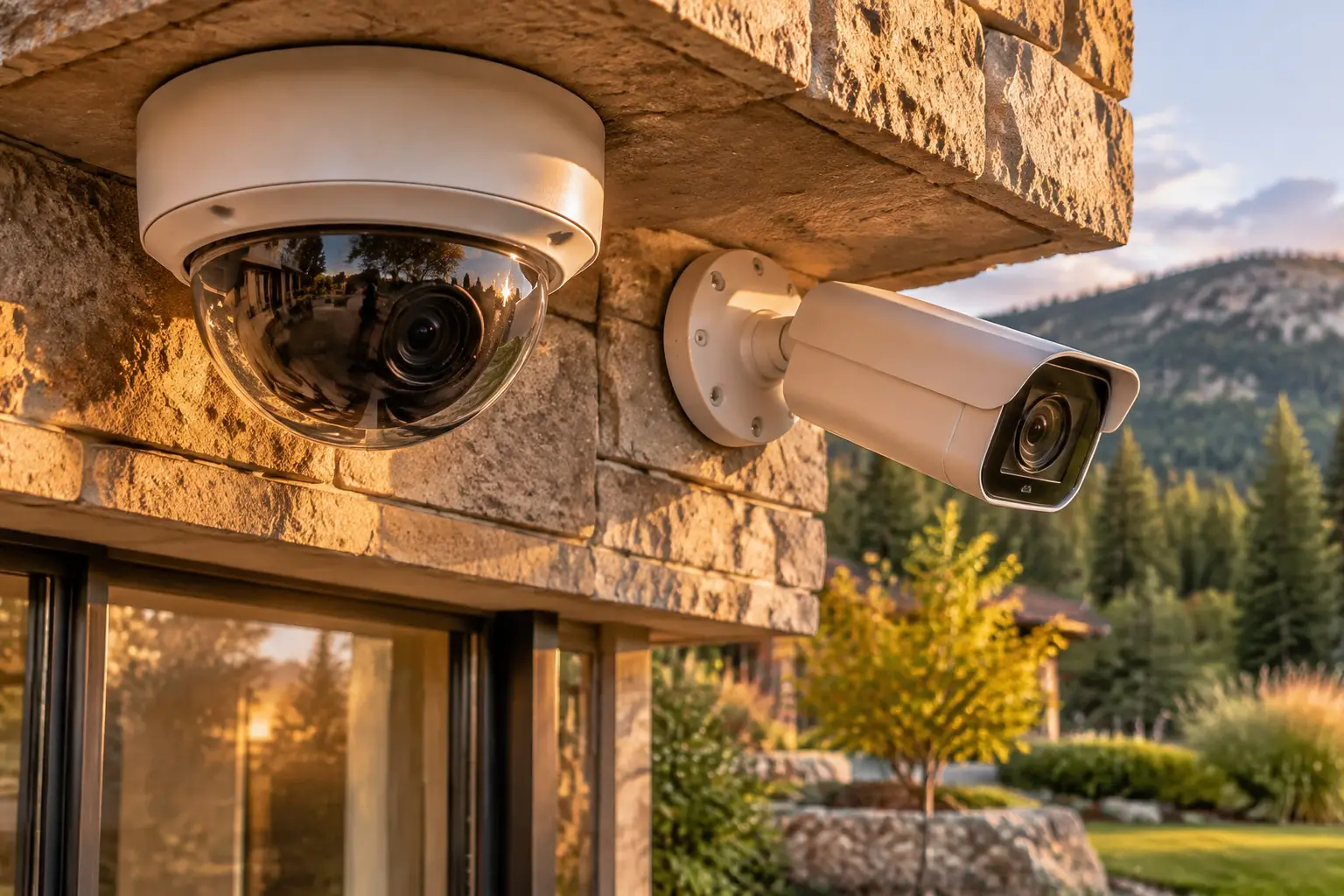
A dome camera and a bullet camera mounted under the stone eave of an upscale home, covering the same approach

§ 02 / Local detail

Mid-century ranches, scrapes and foothills builds

Lakewood, Wheat Ridge and parts of Arvada are full of 1950s to 1970s ranches: accessible attics, unfinished or partly finished basements, frame construction with brick veneer. These are among the easiest homes in the metro to cable properly, and they often already have conduit or old cable runs worth finding before new ones are pulled.

Applewood and older Arvada add larger lots and bigger houses, often with additions from several decades that interrupt an attic run. Golden ranges from small older houses near downtown to newer hillside builds. Foothills properties bring their own realities: post-and-beam and vaulted ceilings with nowhere to hide a cable, a crawl space instead of a basement, exterior stone or heavy timber, detached garages and out buildings, and wildfire-conscious construction that affects how and where penetrations are made.

We plan the route before the device list in foothills houses, because up there the route decides what is feasible.

§ 03 / West Metro

Covenants, counties and the mountain jurisdictions

Most of this area sits in Jefferson County, with incorporated cities including Lakewood, Arvada, Wheat Ridge, Golden, Edgewater and Morrison each setting their own permit and inspection practice, and unincorporated county areas covering most foothills property. That distinction matters: the authority for a low-voltage permit at a Lakewood address is not the authority for a Genesee address a few miles up Interstate 70.

Covenants are strongest in the planned communities. Ken Caryl Ranch, Genesee and several Evergreen and Conifer area associations review anything visible on an exterior elevation, and some have specific rules about lighting, which matters when exterior lighting is part of the security plan. Older Lakewood and Wheat Ridge streets frequently have no association at all.

We check which jurisdiction and which association apply, and we plan equipment positions that can be approved rather than ones that have to be argued for.

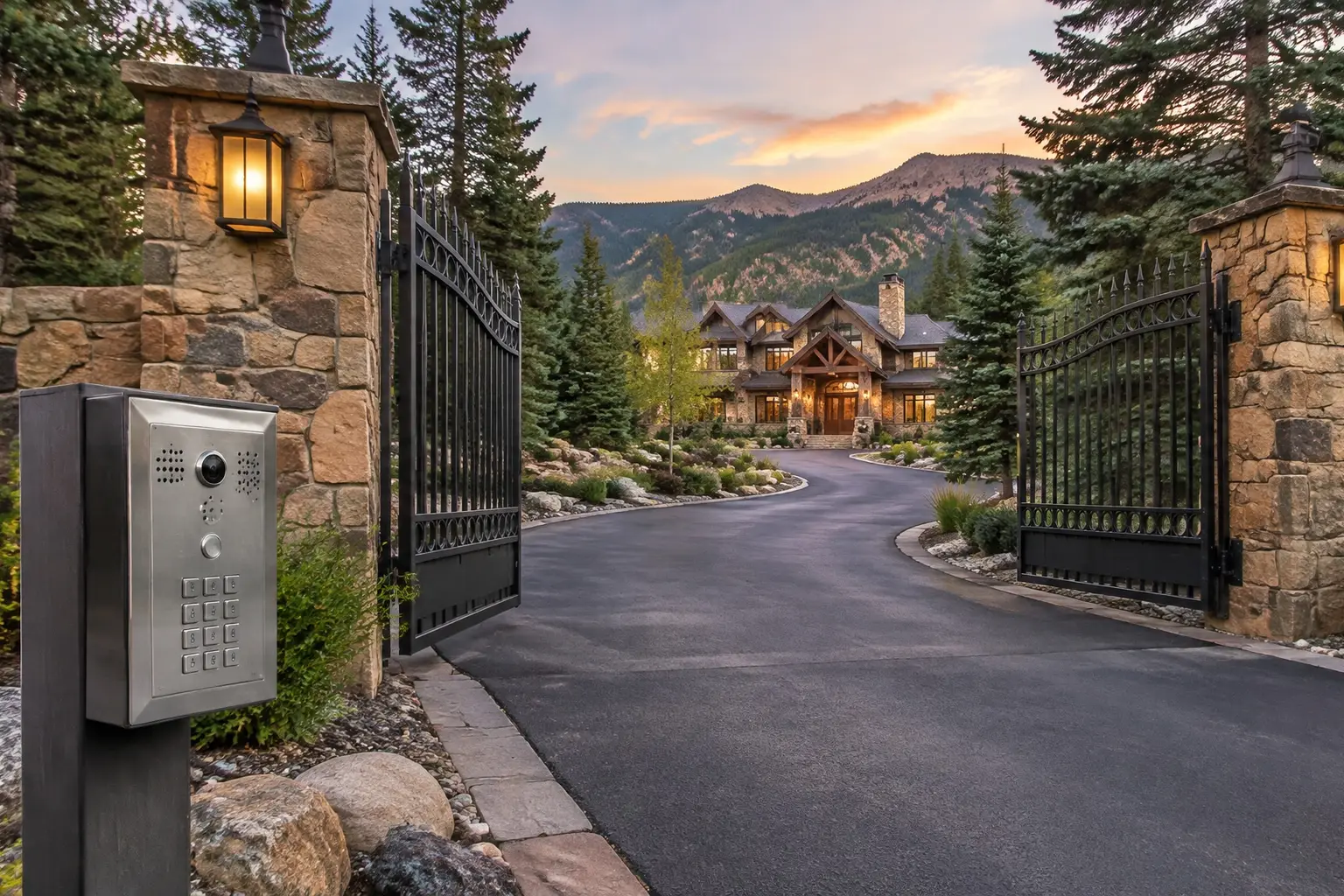
A gated private driveway entrance with stone pillars, an intercom keypad and a large home set back beyond the gates

§ 04 / Local detail

Snow, wind, wildlife and power

The west metro tests equipment. Wind off the foothills loads anything mounted on siding alone. Snow accumulates on upward-facing lenses and slides off steep roofs onto whatever is below. Afternoon sun at altitude is intense, and the daily temperature swing is wide. Under-eave and soffit mounting solves most of this, and it also keeps lenses reachable for the twice-a-year clean that outdoor cameras actually need.

Power reliability is the other foothills factor. Outages are more common and longer up here, so battery backup on the recorder, switch and router is worth more than it is on the plains, and a system that depends entirely on a cloud service will be blind exactly when the weather is worst. We size backup deliberately and tell you honestly how long it holds.

For gates and out buildings, that means planning power and network together: cable in conduit where a trench is feasible, fibre for long runs, and solar only where expectations about short winter days are realistic.

§ 07 / Common questions

The questions
worth asking first.

Clear answers before anyone drills a hole. Start with what homeowners ask most.

More answers ↗

Do you go up into the foothills, or only the suburbs?

Both. The eight guides here cover suburban Lakewood, Arvada, Wheat Ridge, Golden and Applewood as well as Evergreen, Genesee and Lookout Mountain, and Morrison and Ken Caryl. Foothills properties are a different job, mainly because of the single long approach, the network route to a gate and power reliability, and we plan them accordingly. Drive distance is part of the quote for sites past the metro edge.

What is the biggest difference between a foothills and a suburban system?

The approach count and the infrastructure. A suburban house has several approaches and reliable power and internet. A foothills house often has one driveway, no streetlight, a gate a long way from the building, longer outages and more wildlife. That shifts the money from camera count toward the driveway position, the network route and battery backup.

Which permit authority applies in the west metro?

It depends on whether the address is inside a city such as Lakewood, Arvada, Wheat Ridge, Golden, Edgewater or Morrison, or in unincorporated Jefferson County. Each sets its own permit and inspection practice for low-voltage and electrical work, on top of State of Colorado licensing. We confirm the correct authority for your address during planning.

How do you stop deer and elk setting off every camera?

Tighter detection zones that exclude open space and the road, person and vehicle classification rather than raw motion, sensitivity set against the actual light, and in some cases a different camera position altogether. On foothills properties we expect to revisit the tuning after you have lived with the alerts for a week.

§ 08 / The details

West Metro and the places next to it.

Neighborhood and subdivision names help organise the conversation. Confirm the exact address, the drive and the access arrangements before an installation is scheduled.

BelmarGreen MountainUnion SquareLakewood HeightsDaniels GardenEiberGlennon HeightsEdgewaterMountain ViewLakesideOlde Town ArvadaCandelasLeyden RockFive ParksWhisper CreekWest WoodsStandley LakeWestwoodsPleasant ViewNorth Table MountainDowntown GoldenBeverly HeightsIndian HillsKittredgeIdledaleConiferAspen ParkBergen ParkHiwanSoda CreekBrook ForestUpper Bear CreekWillow SpringsRed Rocks RanchTiny TownDeer Creek CanyonColumbine HillsDakota RidgeSolterraRooney Valley

A good system starts with the walk around the house.

Tell us about
the property.
And the blind spots.

The entries, the driveway, what the existing wiring can carry and what the covenants allow. Those four details shape a system worth paying for.

  • Say which approaches you cannot see today.
  • Tell us about existing cabling, panels or a prior system.
  • Agree the scope, the zones and the retention before work starts.
Your property. Watched properly.Request form

Start with your property

A little about the property and what you want covered.

Your inquiry goes to our team. Sending a request does not schedule an installation; we will follow up about the property, the scope and availability.

Cameras where they matter. Nothing you cannot use.

Know what
happens at
your door.

Call (720) 487-1226
Colorado Home Security · DenverCall (720) 487-1226
Your property. Watched properly.Request form

Before you go: want a camera plan?

A little about the property and what you want covered.

Your inquiry goes to our team. Sending a request does not schedule an installation; we will follow up about the property, the scope and availability.