Security cameras, surveillance & smart home · Denver metro and the Front Range Find your city ↗ Call (720) 487-1226
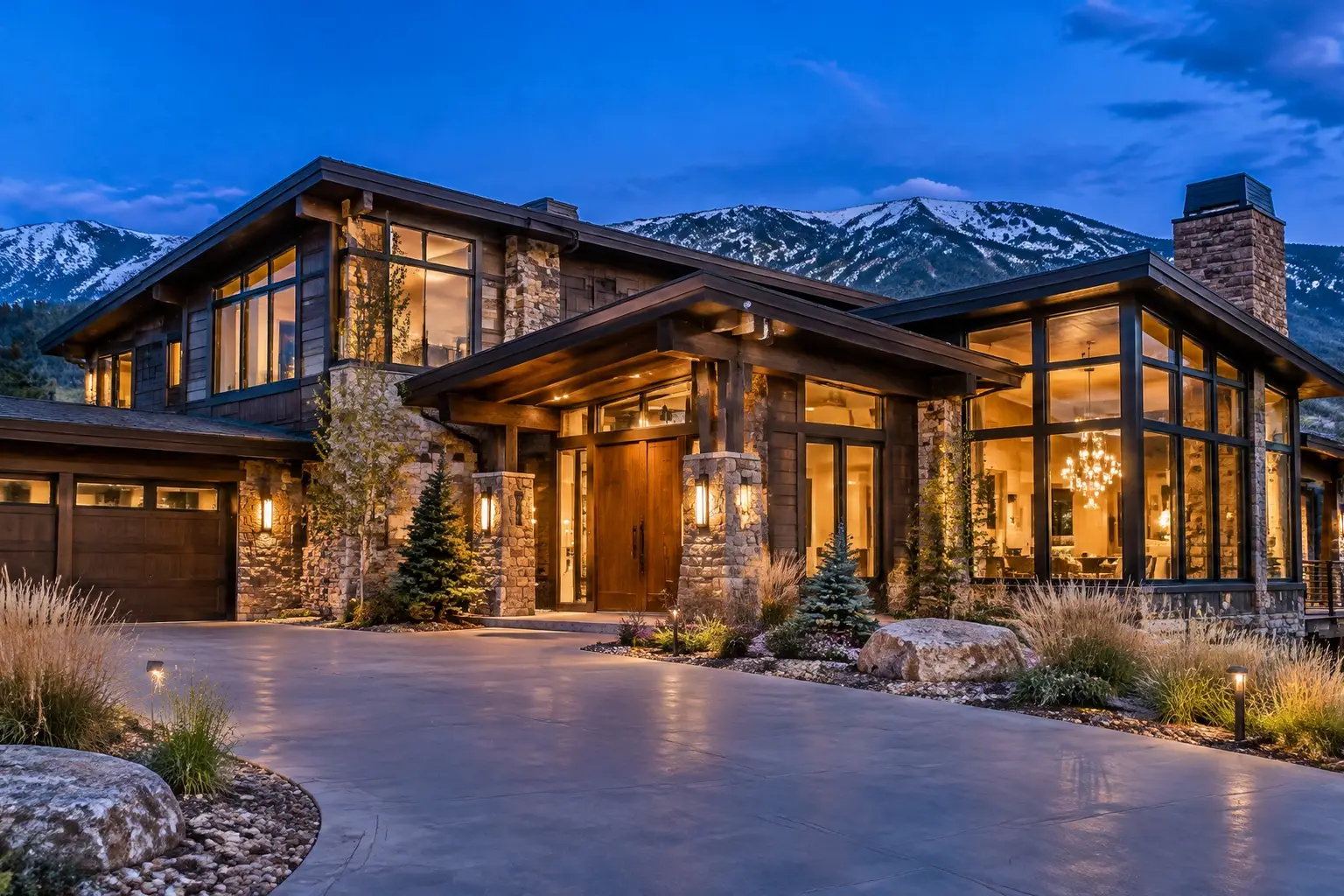
Large stone and timber Front Range home at dusk, warm lit windows, with an exterior security camera above the entry

South Metro city guide / Colorado

Home Security Systems in Littleton, CO

Littleton spans an old downtown with early twentieth century houses, extensive 1960s and 70s subdivision, and newer development out toward Ken Caryl and the south. The South Platte and a long stretch of trail run through it, Chatfield is close by, and lots are generally comfortable with mature trees. Garages are mostly attached or at the end of a driveway, and the back yard, side gate and trail frontage are the private approaches.

Planned on the propertyEntries and sightlines firstWritten scopeCabling, zones and retention agreed
Your property. Watched properly.Request form

Request a quote

A little about the property and what you want covered.

Your inquiry goes to our team. Sending a request does not schedule an installation; we will follow up about the property, the scope and availability.

§ 01 / Littleton

Downtown blocks, subdivision and trail frontage

Old Littleton near Main Street has small lots, older houses and alleys in places, so the alley, the detached garage and the side yard matter as they do in inner Denver.

The larger body of the city is 1960s to 1980s subdivision: attached garages, short driveways, fenced yards, a side gate. The driveway camera and the gate are the main positions, with a doorbell at the front.

A notable share of Littleton property backs onto the Platte trail, a greenbelt or a park. Those rear approaches are unlit, used legitimately all day and overlooked by nobody, so they deserve a camera aimed along the fence line with the detection zone kept inside the property rather than out over the trail.

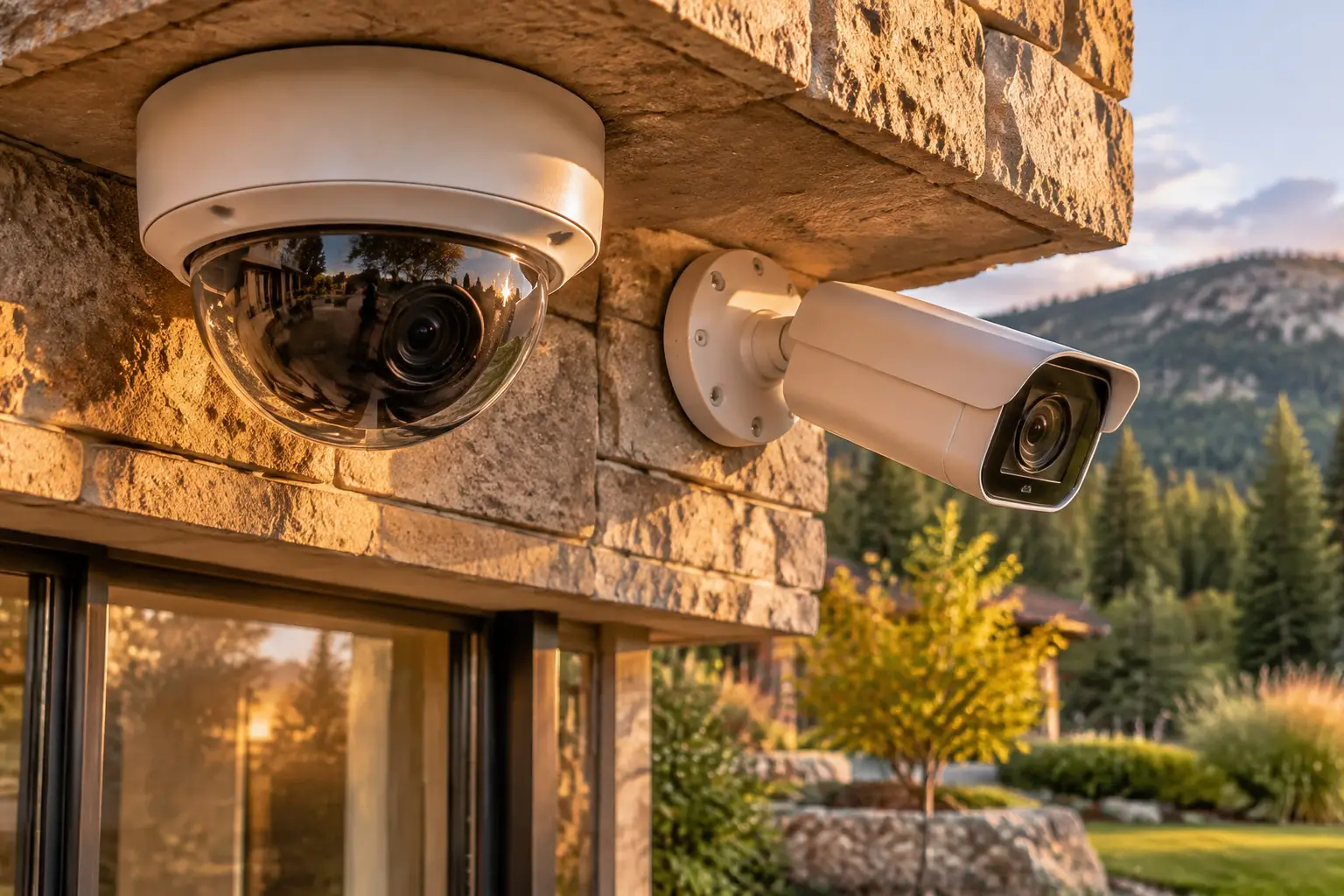
A dome camera and a bullet camera mounted under the stone eave of an upscale home, covering the same approach

§ 02 / Local detail

Mid-century housing and mature trees

The main housing stock, 1960s and 70s ranch, tri-level and two-storey frame with brick veneer, is straightforward to cable: accessible attic, basement, attached garage. Tri-levels and split entries are the exception, where the attic covers only part of the house and the route has to work around the level changes.

Mature trees are the practical complication. They screen positions in summer, move constantly in wind off the foothills, and cut light levels at ground level. Positions get chosen against the summer canopy, and detection relies on classification rather than raw motion.

Older downtown houses are brick and plaster with limited attic space, where the basement becomes the route. Newer southern developments are tighter and may already have structured cabling worth locating.
§ 03 / Littleton

Flood corridor, outbuildings and equipment placement

Properties near the South Platte and the creek corridors have floodplain considerations worth respecting when siting equipment. A recorder, switch or panel should not sit on a basement floor in a flood-prone area; off the floor, in a ventilated spot with power and ideally battery backup, is the right arrangement anywhere but matters especially here.

Many Littleton properties have a shed, detached garage or workshop at the back of the lot holding bikes, tools and equipment. Those are worth covering, with a network route planned by conduit rather than assuming Wi-Fi reaches the end of a deep lot.

Lighting at those buildings and along the driveway improves colour footage and does more for identification than another camera at the house.

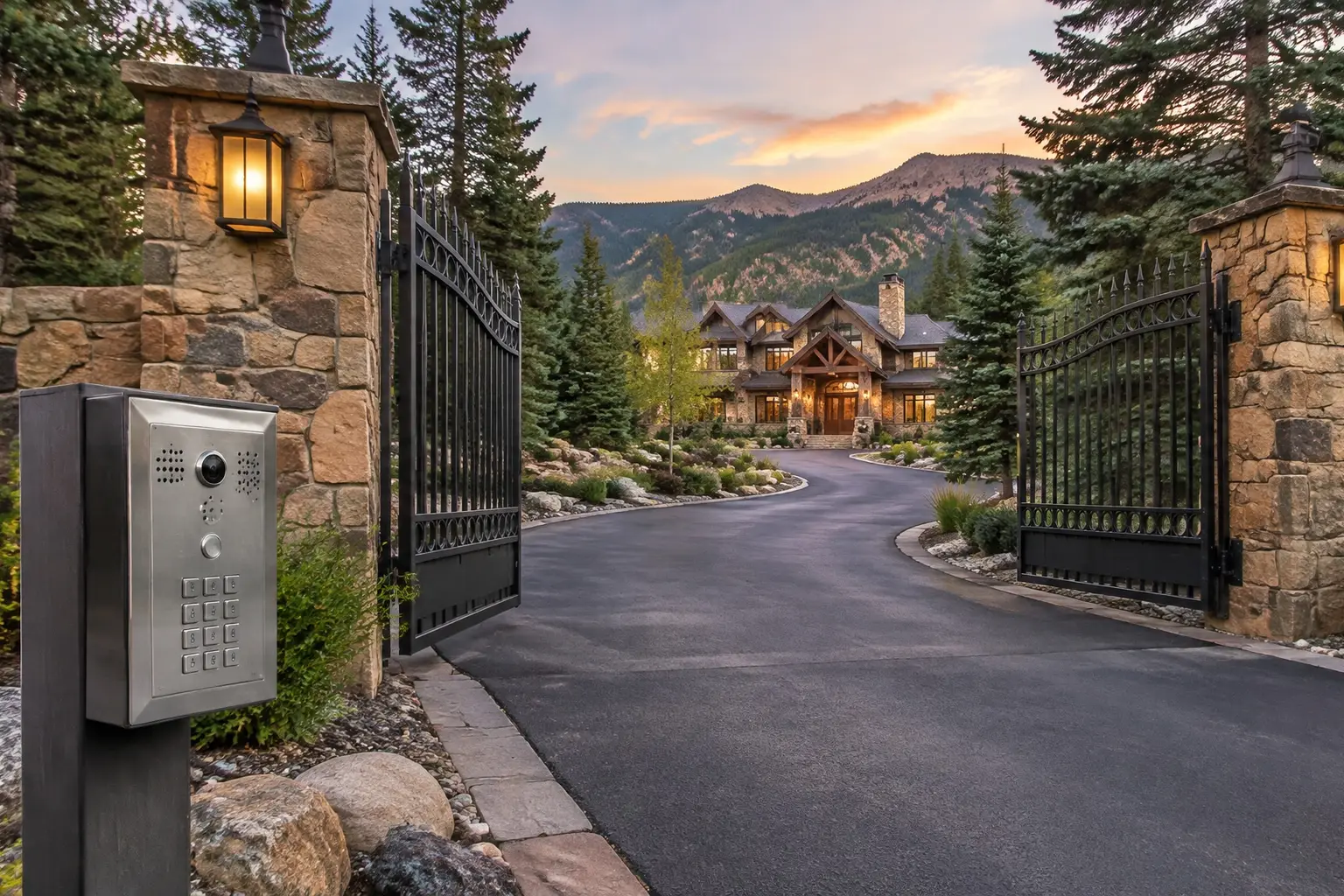
A gated private driveway entrance with stone pillars, an intercom keypad and a large home set back beyond the gates

§ 04 / Local detail

City permits, associations and open space tuning

Littleton runs its own permit and inspection practice for low-voltage and electrical work, with State of Colorado licensing applying, and alarm registration should be confirmed. Association coverage varies: older neighborhoods frequently have none, and the newer southern and western developments commonly have design review.

Open space and trail frontage brings wildlife as well as people, and both will trigger an untuned camera through the night. Tight zones, person and vehicle classification and sensitivity set against the real light are what keep the system credible, with an adjustment visit after the first week.

We keep each camera's useful field inside your own boundary, which on a trail-backed lot also avoids recording a public path all day.

§ 07 / Common questions

The questions
worth asking first.

Clear answers before anyone drills a hole. Start with what homeowners ask most.

More answers ↗

We back onto the Platte trail. What is the right camera position?

Aimed along your own fence line and gate rather than out across the trail, with the detection zone kept inside your property. That covers the actual approach, keeps a public path out of your recordings, and prevents constant alerts from legitimate trail use.

Where should the recorder go in a house near the river?

Off the floor, in a ventilated space with power, and not in the lowest part of a basement in a flood-prone area. Battery backup is worth adding so the system keeps recording and stays reachable during the weather that causes local problems.

Is a tri-level harder to wire?

Slightly, because the attic only covers part of the house and the level changes interrupt a straight route. It is routine work, but it is a reason we walk the attic and basement before quoting rather than pricing from the floor area.

§ 08 / The details

Littleton and the places next to it.

Neighborhood and subdivision names help organise the conversation. Confirm the exact address, the drive and the access arrangements before an installation is scheduled.

Historic Downtown LittletonKetring ParkSouthparkColumbine KnollsPlatte CanyonWoodlawnBowles VillageNevada PlaceHighland ParkSterne ParkLakehurstGrant Ranch

A good system starts with the walk around the house.

Tell us about
the property.
And the blind spots.

The entries, the driveway, what the existing wiring can carry and what the covenants allow. Those four details shape a system worth paying for.

  • Say which approaches you cannot see today.
  • Tell us about existing cabling, panels or a prior system.
  • Agree the scope, the zones and the retention before work starts.
Your property. Watched properly.Request form

Start with your property

A little about the property and what you want covered.

Your inquiry goes to our team. Sending a request does not schedule an installation; we will follow up about the property, the scope and availability.

Cameras where they matter. Nothing you cannot use.

Know what
happens at
your door.

Call (720) 487-1226
Colorado Home Security · DenverCall (720) 487-1226
Your property. Watched properly.Request form

Before you go: want a camera plan?

A little about the property and what you want covered.

Your inquiry goes to our team. Sending a request does not schedule an installation; we will follow up about the property, the scope and availability.