Security cameras, surveillance & smart home · Denver metro and the Front Range Find your city ↗ Call (720) 487-1226
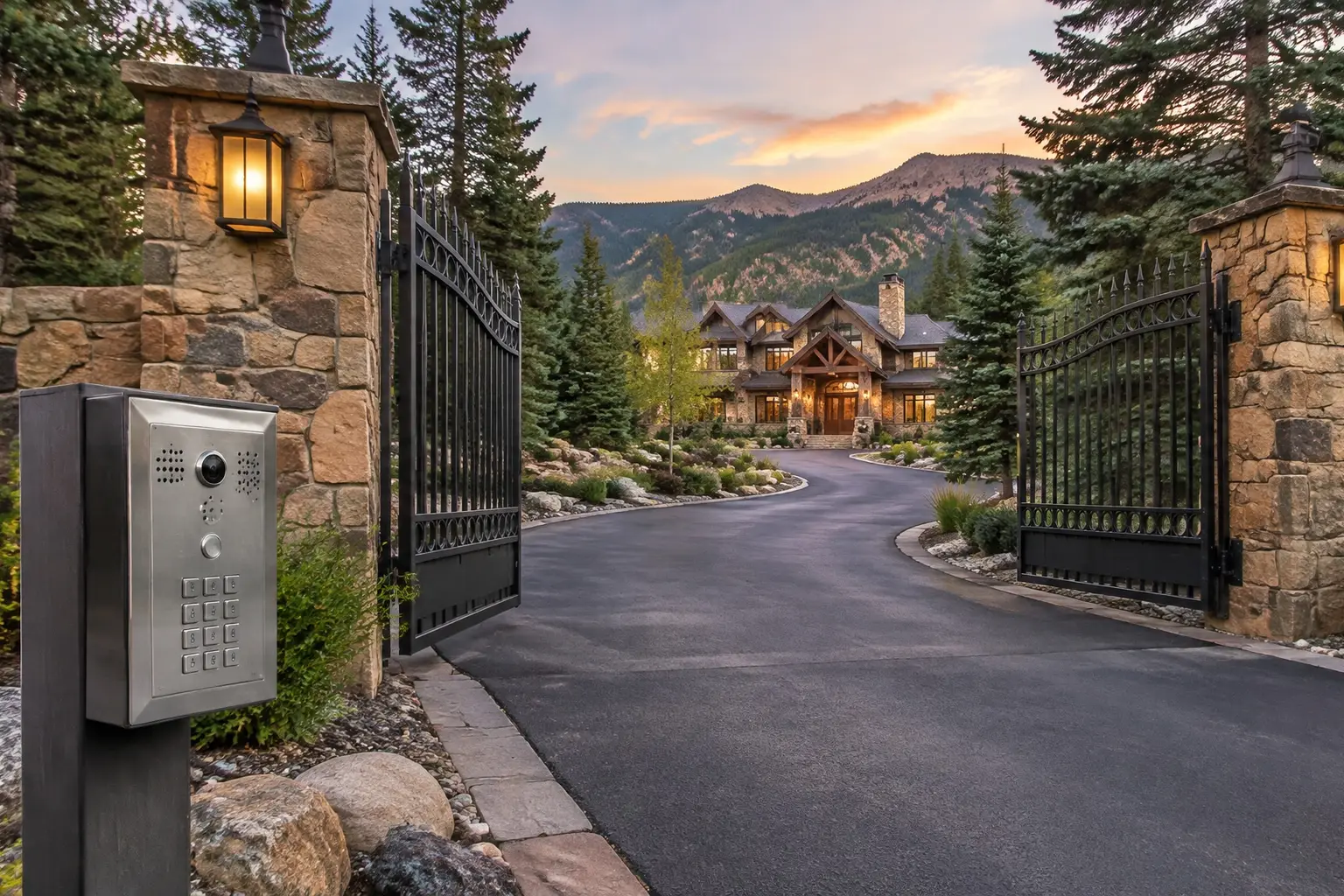
Large stone and timber Front Range home at dusk, warm lit windows, with an exterior security camera above the entry

Denver city guide / Colorado

Home Security Systems in Central Park, CO

Central Park, the neighborhood built on the former Stapleton airport site from 2002 onward, is the most consistent housing stock in Denver: new urbanist planning, small lots, front porches close to the sidewalk, alley-loaded garages, pocket parks everywhere and an active community design review. The uniformity is useful, because a camera plan that works on one street usually works on the next. The complications are density, shared alleys and the approval process for anything visible.

Planned on the propertyEntries and sightlines firstWritten scopeCabling, zones and retention agreed
Your property. Watched properly.Request form

Request a quote

A little about the property and what you want covered.

Your inquiry goes to our team. Sending a request does not schedule an installation; we will follow up about the property, the scope and availability.

§ 01 / Central Park

Alley-loaded garages and a public front porch

The standard Central Park layout puts the garage at the rear off a shared alley, the front door and porch within a few metres of a public sidewalk, and the neighbours close on both sides. Front porches are social, which is pleasant and means a doorbell camera sees constant legitimate traffic.

The alley is narrow, shared by several households, and busy with vehicles, bins and children. Coverage there is about your own garage door, apron and gate rather than the alley as a whole, both for privacy and to keep alerts manageable. Garage door status sensing is particularly worthwhile in a neighborhood where a surprising number of garage doors sit open all afternoon.

Side yards are narrow slots, usually gated, and the back yard is small and overlooked. Those gates are still the quiet way in and deserve a position.

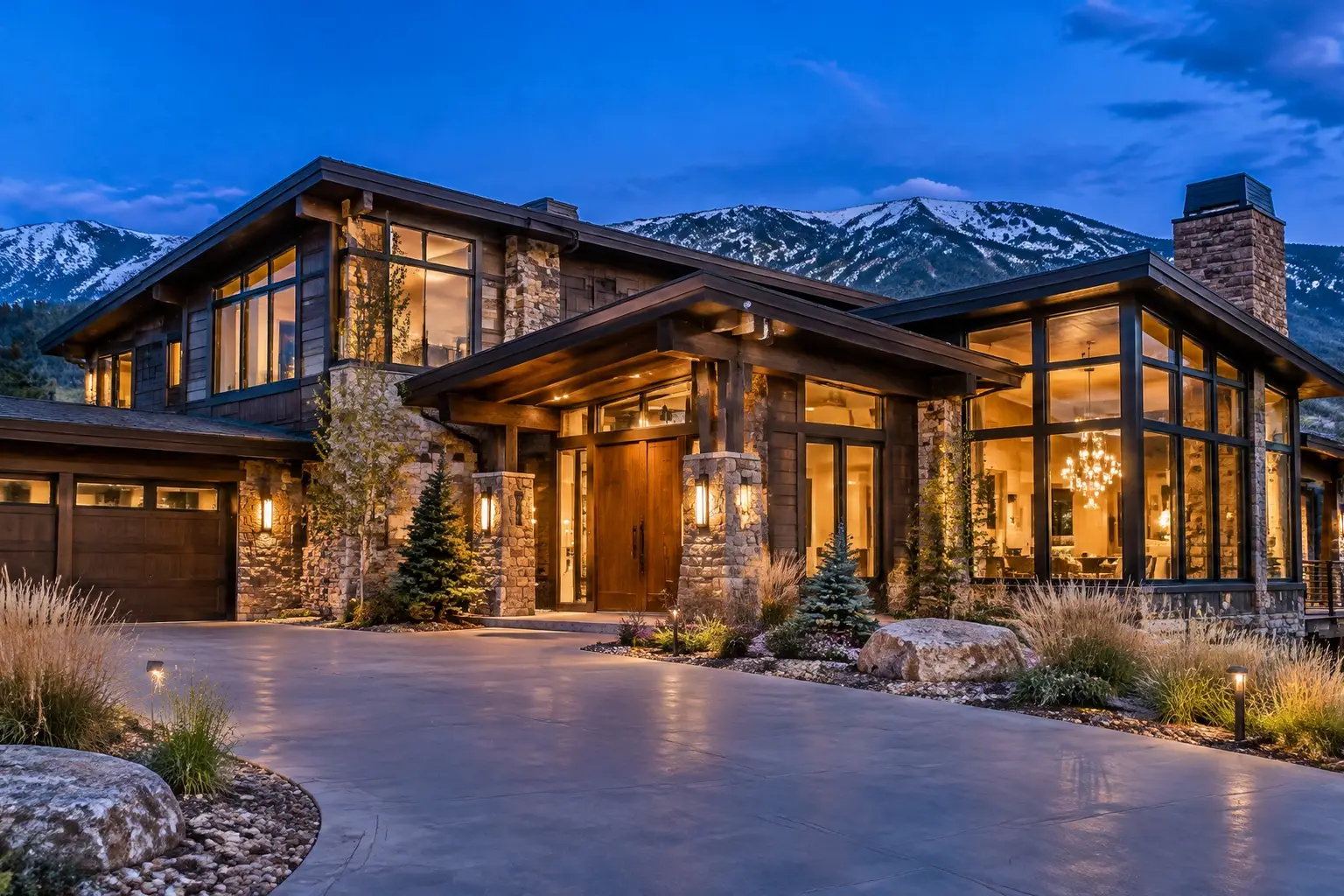
A dome camera and a bullet camera mounted under the stone eave of an upscale home, covering the same approach

§ 02 / Local detail

Newer construction and the cabling you probably have

Houses here date from the early 2000s onward, which usually means structured cabling of some vintage, a panel in a mechanical or laundry area, conduit in places, and an attic over at least part of the roof. The first step is locating the panel and testing what the existing runs will carry, because much of it will support cameras and access points directly.

The newer the house the tighter the building: spray foam, engineered framing and finished basements make new routes harder than the age of the house suggests. Where a basement is unfinished, that becomes the main pathway.

For anyone buying a house here and planning work, the useful advice is to add runs during any remodel, especially to the garage, the exterior camera positions and the display walls, since the alternative later is patching drywall in a house with very little spare cavity space.
§ 03 / Central Park

Parks, trails and keeping alerts useful

Pocket parks, greenways and the trail network are the neighborhood's best feature and the main source of nuisance alerts. Properties backing onto a park or path see legitimate traffic from dawn to dusk, including children, dogs and cyclists.

The approach is strict zone discipline: detection confined to your own yard, gate and alley apron, with person and vehicle classification doing the filtering, and sensitivity set against the actual light rather than left on default. A camera aimed along a fence line rather than out across the park keeps the record useful and the notifications rare.

We set that up on install and expect to adjust it after a week, because in a neighborhood this busy the right setting depends on exactly which path runs past your lot.

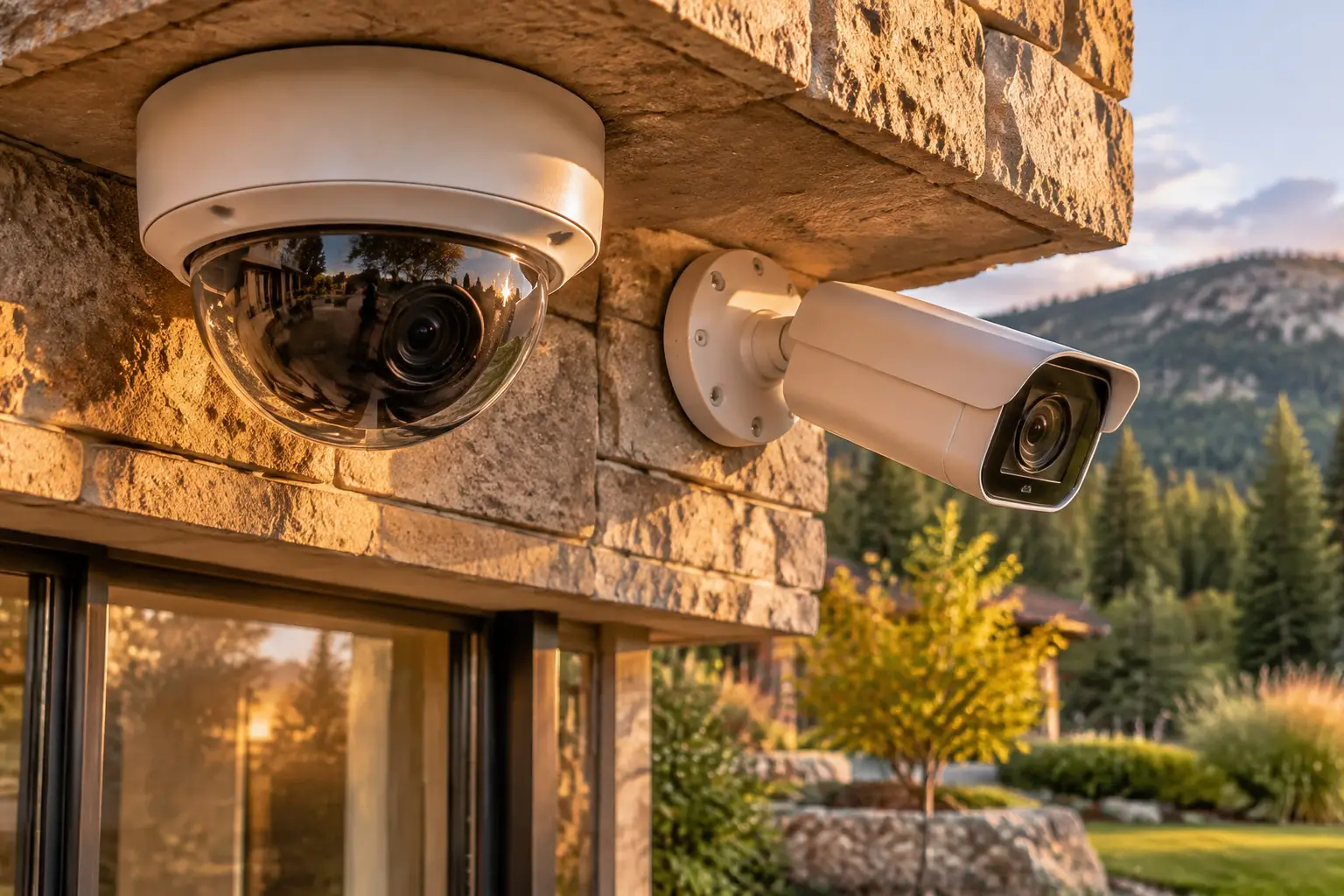
A gated private driveway entrance with stone pillars, an intercom keypad and a large home set back beyond the gates

§ 04 / Local detail

Community design review and the practical rules

Central Park has an active master community association with design standards covering exterior changes, which in practice means mounts, conduit, visible equipment, lighting and sometimes doorbell replacement. Approval is normally straightforward for sensible positions, and much harder if equipment is installed first and discussed afterwards.

Denver's permit and inspection requirements apply to the work itself, with State of Colorado licensing, and Denver's alarm registration and false-alarm provisions sit with the property owner.

We plan positions that fit the elevation, in colours that match the material behind them, with cable concealed, so the submission is easy. On lots this close together we also keep each camera's useful view inside your own boundary, which matters more here than almost anywhere else in the city.

§ 07 / Common questions

The questions
worth asking first.

Clear answers before anyone drills a hole. Start with what homeowners ask most.

More answers ↗

Will the community association approve exterior cameras?

Generally yes for sensible positions, and it is a design review rather than a prohibition: mount placement and colour, exposed conduit, lighting and sometimes doorbell changes are what they look at. Submit before installing. We design positions to be approvable and provide the detail you need for the application.

Do houses here already have cabling we can use?

Usually some. Most Central Park homes have structured cabling of some era and a panel in a mechanical or laundry space. We locate and test it first, because existing runs to the right places will often carry cameras and access points directly and save a significant amount of work.

We back onto a park. How do we avoid constant alerts?

Aim along your fence line rather than out across the park, keep the detection zone inside your own yard and gate, and use person and vehicle classification rather than raw motion. We tune it at install and revisit it once you have seen a week of real traffic.

§ 08 / The details

Central Park and the places next to it.

Neighborhood and subdivision names help organise the conversation. Confirm the exact address, the drive and the access arrangements before an installation is scheduled.

Conservatory GreenNorthfieldEastbridgeBluff LakeBeeler ParkWicker ParkWesterly CreekFounders GreenGreenway ParkTown Center

A good system starts with the walk around the house.

Tell us about
the property.
And the blind spots.

The entries, the driveway, what the existing wiring can carry and what the covenants allow. Those four details shape a system worth paying for.

  • Say which approaches you cannot see today.
  • Tell us about existing cabling, panels or a prior system.
  • Agree the scope, the zones and the retention before work starts.
Your property. Watched properly.Request form

Start with your property

A little about the property and what you want covered.

Your inquiry goes to our team. Sending a request does not schedule an installation; we will follow up about the property, the scope and availability.

Cameras where they matter. Nothing you cannot use.

Know what
happens at
your door.

Call (720) 487-1226
Colorado Home Security · DenverCall (720) 487-1226
Your property. Watched properly.Request form

Before you go: want a camera plan?

A little about the property and what you want covered.

Your inquiry goes to our team. Sending a request does not schedule an installation; we will follow up about the property, the scope and availability.